Lavastone from Bali
Volcanic basalt, processed by craftspeople who’ve worked this stone for generations
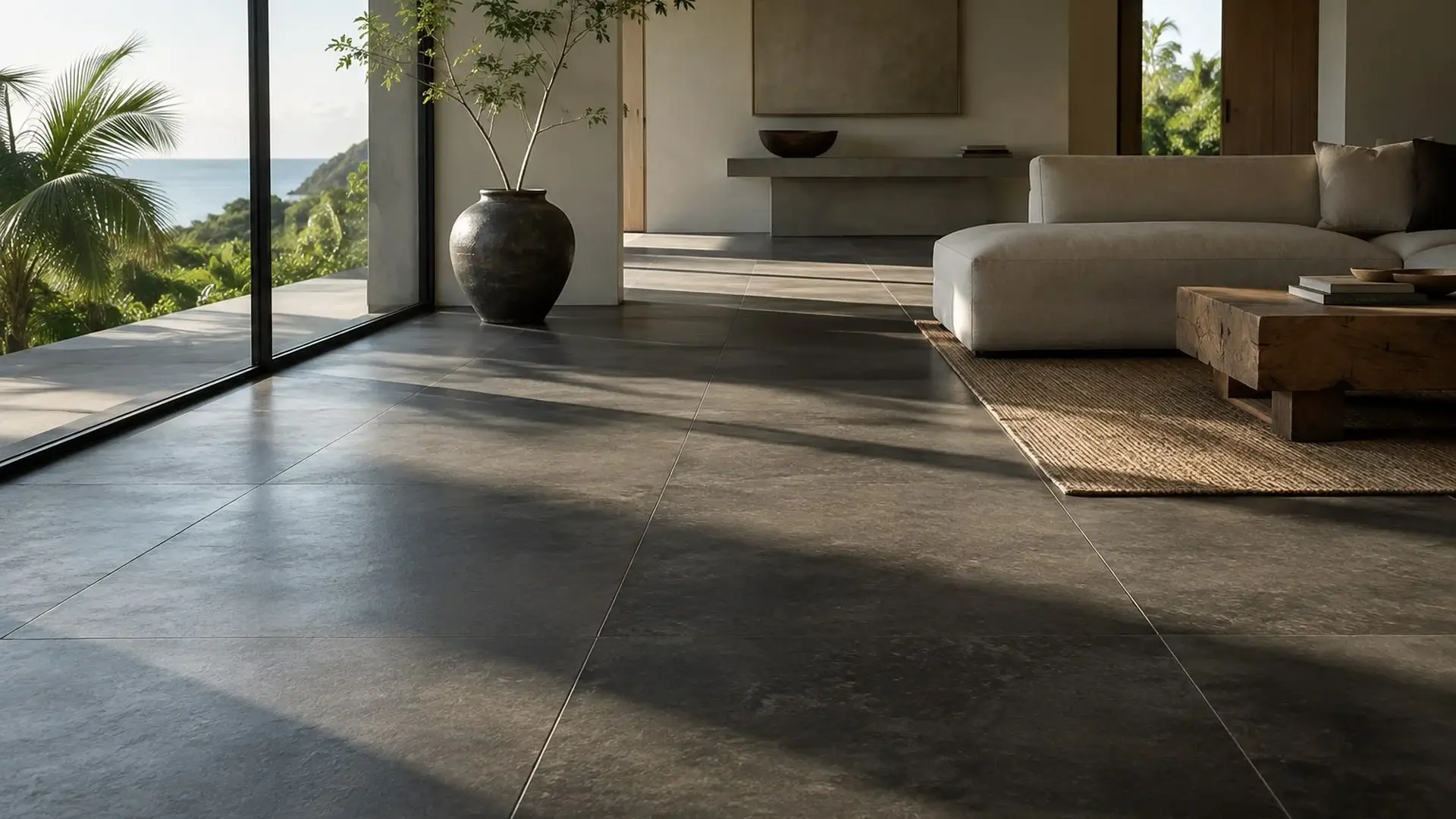
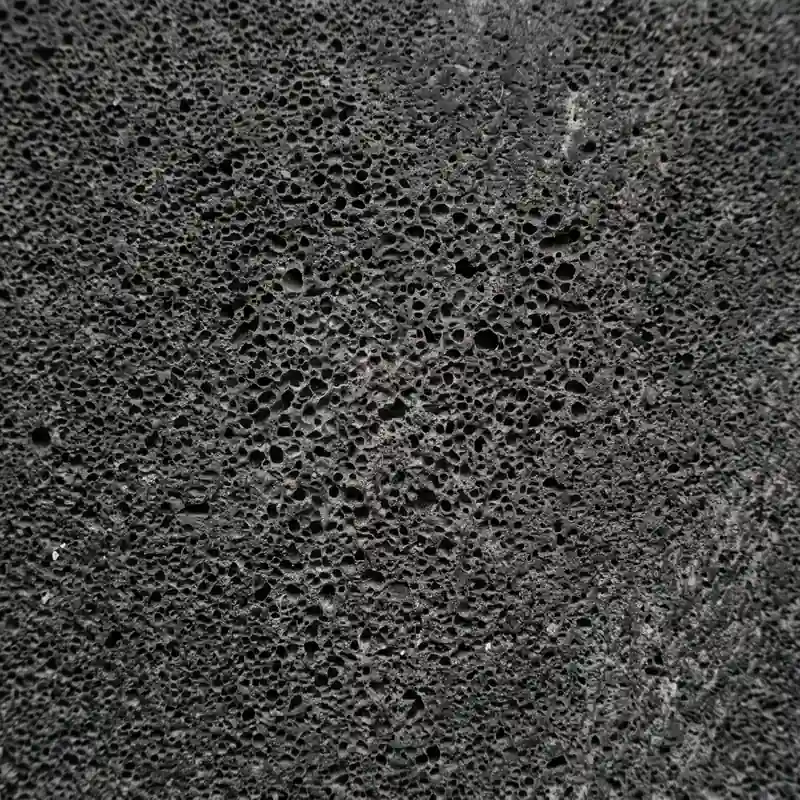
Lavastone, the dark volcanic basalt produced around Bali’s volcanic geology, is one of the most versatile and in-demand natural stones in the global architecture and design market. Its density and durability make it suitable for applications that most other stones can’t handle. Contemporary architecture in Europe, Australia, and Japan has embraced lavastone particularly for its dark, dramatic appearance against pale render or timber, a contrast that photographs beautifully and ages extremely well.
Home › Natural Stone › Lavastone
What I source in lavastone
- Floor tiles: natural, brushed, honed, and sandblasted finishes
- Wall cladding tiles and panels
- Stepping stones and exterior pavers
- Pool coping and surrounds
- Garden walls and landscape elements
- Decorative objects: bowls, planters, architectural accents
For larger paving quantities sold by the square metre, see stone pavers. For a comparison of all the Bali stones and what each one suits, read the natural stone guide.
Get the printable stone reference guide
All seven stone types compared on one sheet: properties, applications, and indicative prices. Enter your email and I’ll send it over.
| Finish | Appearance | Best use |
|---|---|---|
| Natural/split | Rough, textured, natural surface | Garden walls, exterior cladding |
| Brushed | Light texture, matte | Interior and exterior floors |
| Honed | Smooth, matte | Interior floors, feature walls |
| Sandblasted | Textured, non-slip | Outdoor floors, pool areas |
Lavastone in cold European climates
This comes up a lot, especially from clients in Germany, the Netherlands, Scandinavia and northern France. Lavastone is much harder than paras stone, so of the two it’s the better choice for cold climates. What its dark, solid look hides is that it is porous: it takes up water, and water that freezes inside stone is what cracks it. How lavastone gets through winter depends on three things: the quarry it comes from, a good sealer, and a base that lets water drain away. Statues, planters and wall cladding shed rain and do well. Flat paving that stays wet is where the risk lies. For paving that faces hard frost, I recommend andesite, which I supply in different grades, up to the hardest quality used for carports and truck access paths.
Its dark colour also works particularly well in northern light. In spaces where pale stone washes out, lavastone holds its character. Where a paler floor is wanted with similar durability, limestone from Bali is the alternative.
Frequently asked questions
Does lavastone need sealing?
For interior floors: a penetrating sealer is recommended to prevent staining. For outdoor use: a sealer with freeze-thaw rating if you’re in a climate that drops below 0°C. I’ll advise on appropriate products for your application.
What sizes can you source?
Standard floor tile sizes: 30x30cm, 40x40cm, 60x60cm, 60x30cm. Custom sizes are possible with minimum order quantities. Irregular split-face cladding is sold by the square metre. I’ll confirm what’s available from current stock at the time of your order.
Can lavastone be used around a pool?
Yes, with a sandblasted finish for non-slip safety. Lavastone is also highly resistant to chlorine and salt water, which makes it popular for pool surrounds and spa areas.
How does the weight affect shipping?
Lavastone is dense, so a container reaches its weight limit long before it fills up. That changes how an order should be packed and quoted. See shipping and logistics from Bali for how this works.
Source lavastone from Bali
Tell me the application, finish, quantities, and destination. I’ll find the right supplier and get you a realistic quote.