Export from Bali
Exporting products from Bali: what’s actually involved, and how to make it work without the headaches
Exporting products from Bali is more straightforward than many buyers expect, when it’s handled properly. The challenges come from documentation gaps, supplier coordination problems, and cargo choices that don’t suit the product type. After 20+ years of managing exports from Bali, I’ve seen most of the ways it goes wrong. Here’s the honest picture.
The export process from Bali, step by step
- Product sourcing and ordering. Before anything can be exported, it needs to be sourced and ordered. Production timelines vary, so plan for 4–8 weeks for most furniture and stone, less for in-stock decor.
- Export inspection. Some product categories require formal government inspection before export, particularly timber products. I coordinate this with licensed inspection authorities in Bali.
- Documentation preparation. Commercial invoice, packing list, certificate of origin, and product-specific certificates are prepared and submitted.
- Cargo booking. Your shipment is booked with a freight forwarder. FCL for full containers, LCL for consolidated cargo.
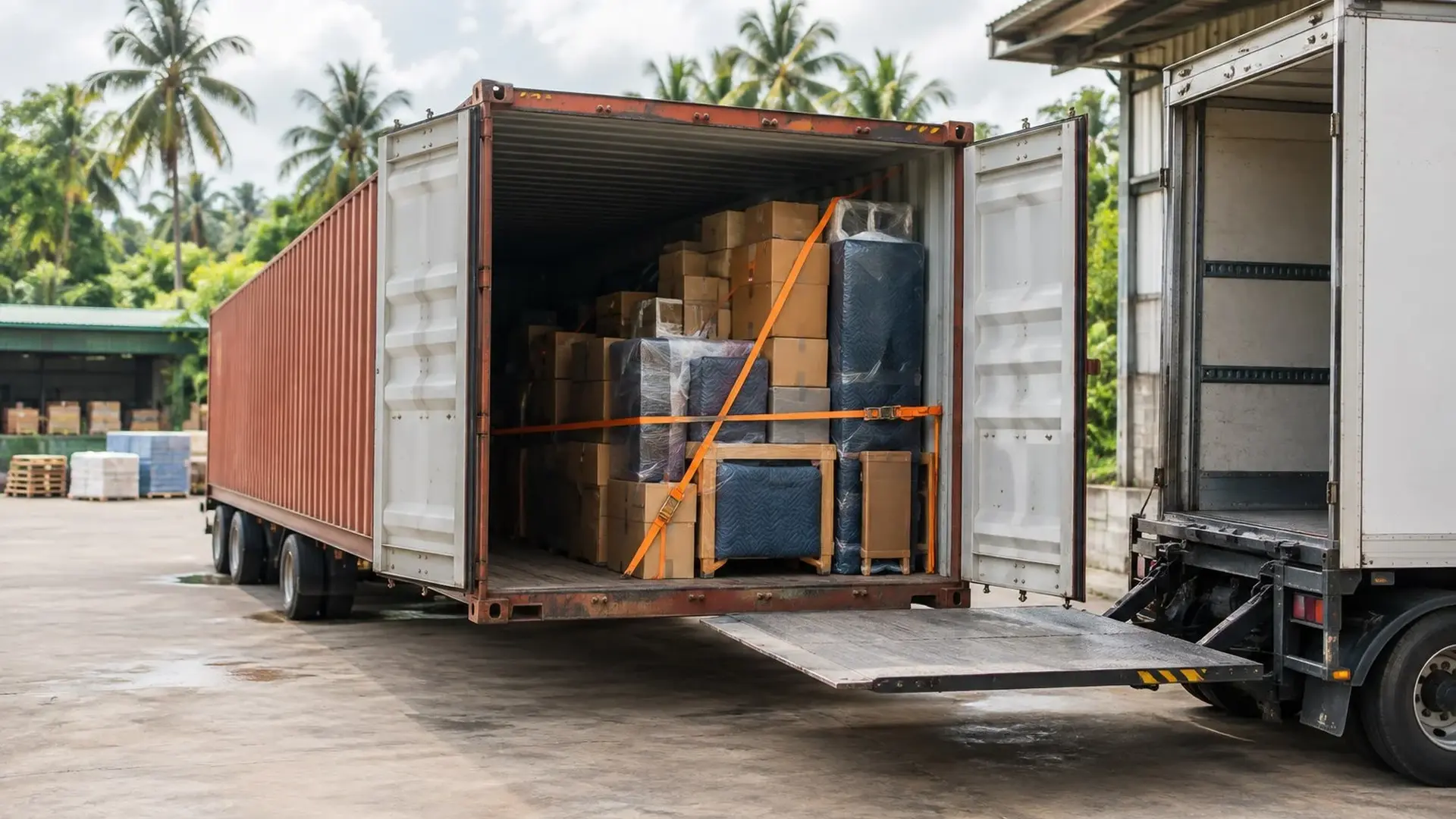
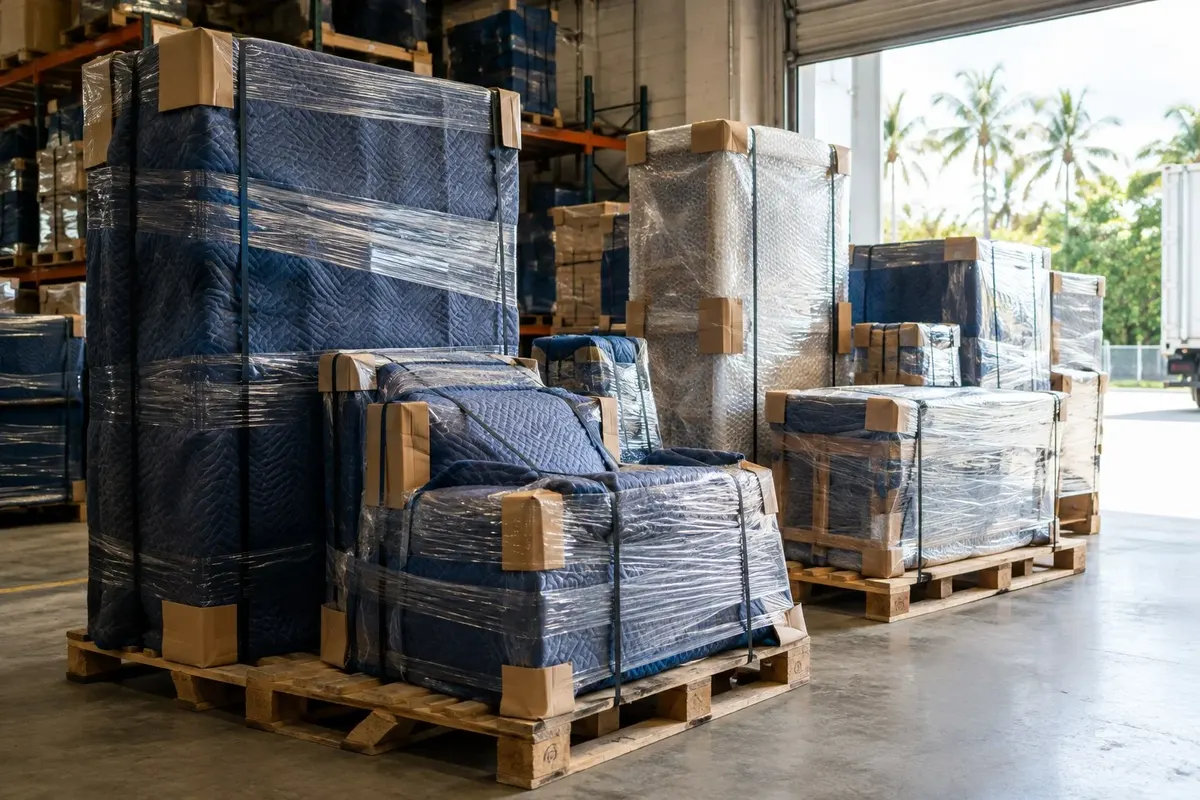
- Packing and loading. Goods are professionally packed and loaded. I supervise loading for FCL shipments to ensure proper packing and container weight distribution.
- Export customs clearance. Indonesian export customs clearance is handled by the cargo company. With correct documentation, this is routine.
- Transit and delivery. Your goods are in transit. You get updates. Your destination customs broker handles the import side.
What can and can’t be exported from Bali
Exported without restriction
Natural stone products, terracotta, ceramics, rattan and wicker goods, hand-painted objects, silverwork, most home decor.
Exported with documentation requirements
Timber and wood furniture (legal timber certificate SVLK, phytosanitary certificate required). Some plant-based materials. I handle these as standard for every relevant order.
Restricted or prohibited
True antiques over 50 years old (prohibited without government permit). Protected species materials: ivory, tortoiseshell, certain hardwoods without proper certification. I advise on this upfront for any potentially sensitive product.
Ready to budget the shipping side?
Real cost ranges by destination and container type, so freight isn’t a surprise once your goods are ready to export. Enter your email and I’ll send it over.
Frequently asked questions
Do I need an import licence in my country?
This depends on your country and the product category. For most furniture and home decor, a standard commercial import is sufficient. For food-contact products, electrical goods, or certain plant materials, specific import certifications may be required. I advise on the Bali and Indonesian export side. Your local customs broker advises on the import side.
What’s the most common export documentation mistake?
Incorrect product description or HS code on the commercial invoice. This causes delays at customs and can result in incorrect duty assessment. I get this right at source.
Can you export to any country?
Anywhere with a port. I’ve exported to over 30 countries. Some destinations have specific product restrictions or require additional certifications. I’ll flag any requirements for your specific products and destination upfront.
Plan your export from Bali
Tell me what you’re exporting, the destination, and your timeline. I’ll map out exactly what’s needed.